Adoption: The Making of Me: An Oral History of Adoptee Stories
On this podcast, two adult adoptees discuss all things adoption from the adoptee perspective.
Latest Episodes
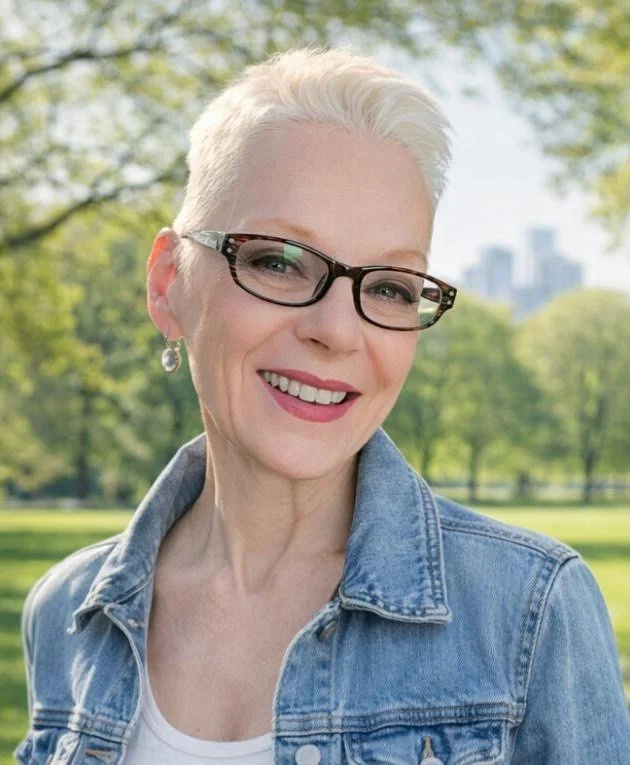
S13, Ep. 6: Sandra
Sandra was born in 1967 in St. Catharines, Ontario, Canada, during the baby scoop era, to a 16-year-old mother whose circumstances led to immediate relinquishment. After a short stay in foster care, Sandra was adopted by a wonderful family and became the youngest of two children. Like many adoptees of her generation, she grew up believing she had experienced a happy adoption, appreciating the life she had been given without fully understanding the deeper emotional complexities of her beginnings. After being in reunion for 18 years, Sandra parted ways with her birth mother in 2020 and began the journey of coming out of the fog, healing, and self-discovery. Having always known she was adopted, never feeling like she fully belonged anywhere, and knowing deep down that adoption was at the root of her anxieties, fears, and lack of sense of self, the hard work to heal began. Her journey has become one of discovery, grief, compassion, and healing. She has learned that a happy upbringing and the complex emotions associated with adoption can coexist. Gratitude for the life she experienced does not negate the significance of her earliest loss.
Coming out of the fog has not been about rewriting her past, but about understanding it more fully. Today, Sandra continues to embrace her story with greater self-compassion.
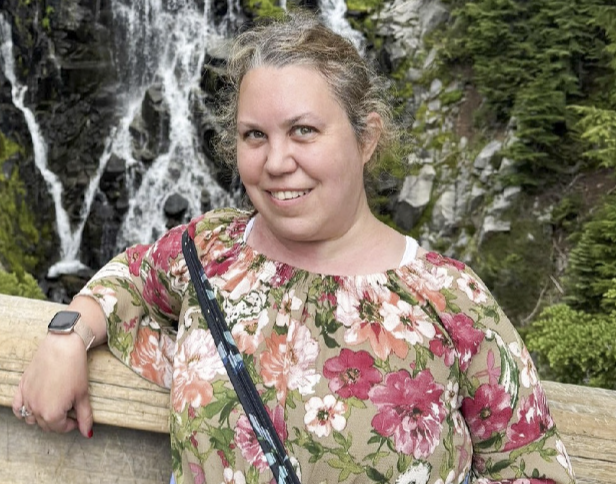
S13, Ep. 5: Dana
Dana was born at St. John’s Hospital in Cleveland in 1973. She was adopted through Catholic Charities in November of 1973. Her adoption was never kept a secret from her, but she still wondered where she came from. She was able to find her biological mother’s name after the state of Ohio released her OBC
(Original Birth Certificate). Sadly, she also found out her biological mother had passed away, and there was no name given for her biological father.
She could have given up her search after finding an obituary for her biological mother, but she didn’t. With encouragement from her family and friends, she reached out to her first mother’s sister and, through her, connected with more family. She received a false lead from her aunt that made her believe
her biological father had passed away, but an Ancestry DNA test led her to the truth and four paternal half-brothers. Today, Dana shares her story through podcasts and blog posts, and she is writing a memoir called A Girl and Her Four Families. She believes every adoptee has the right to know where
they came from, and even if it comes with heartbreak, the emotional roller coaster is always worth it.
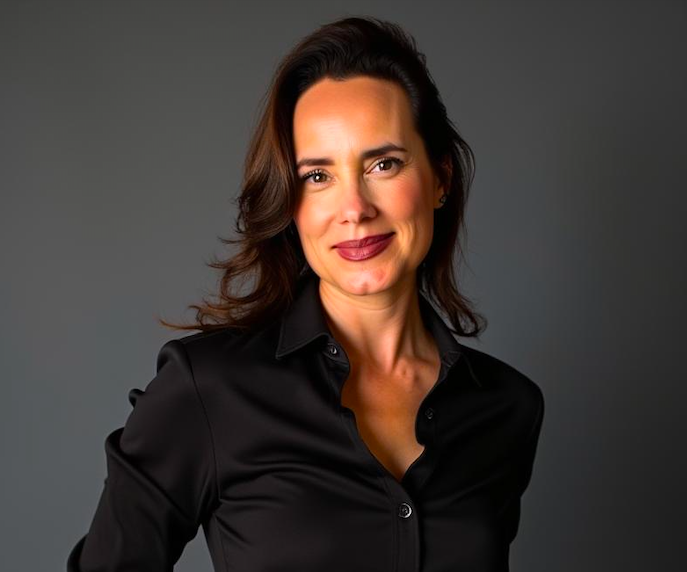
S13, Ep. 4: Jeanette
Jeanette Yoffe, M.A., M.F.T. earned her Master's degree in Clinical Psychology, specializing in adoption and foster care for the past 20 years. She treats children, teens, and adults with serious psychological problems secondary to histories of abuse, neglect,
adoption, and /or multiple foster care placements. She is also an adopted person, raised in foster care for 6 years.
She is the Founder of Celia Center Inc., a non-profit organization in Los Angeles supporting all members of the foster care and adoption constellation, which includes birth parents, foster youth, adoptees, foster and adoptive parents, as well as professionals working in the field.
She is also the Clinical Director of Yoffe Therapy Inc. A mental health center in Los Angeles provides services to families, children, teens, and adults connected by foster care and adoption.
In 2019, she published a one-woman show she performed back in 2000 titled What's Your Name? Who's Your Daddy? and is on Audible.
She published her first mental health book of interventions for working with children in foster care and beyond titled The Traumatized and At-Risk Youth Toolbox: Over 160 Attachment-Informed Interventions for Working with Kids and Families in Foster
Care and Beyond. A must-have intervention book for all professionals and parents
working with children in foster care and adoption. She also has a set of children's books: What is Adoption? and What is Foster Care?
Jeanette created a YouTube Channel devoted to educating the world about foster care, adoption, and mental health called Jeanette-ically Speaking, launching Hand Model of The Brain Video for kids.
She is also a Psychology Today Contributor for the column The Inner Life of Foster Care.
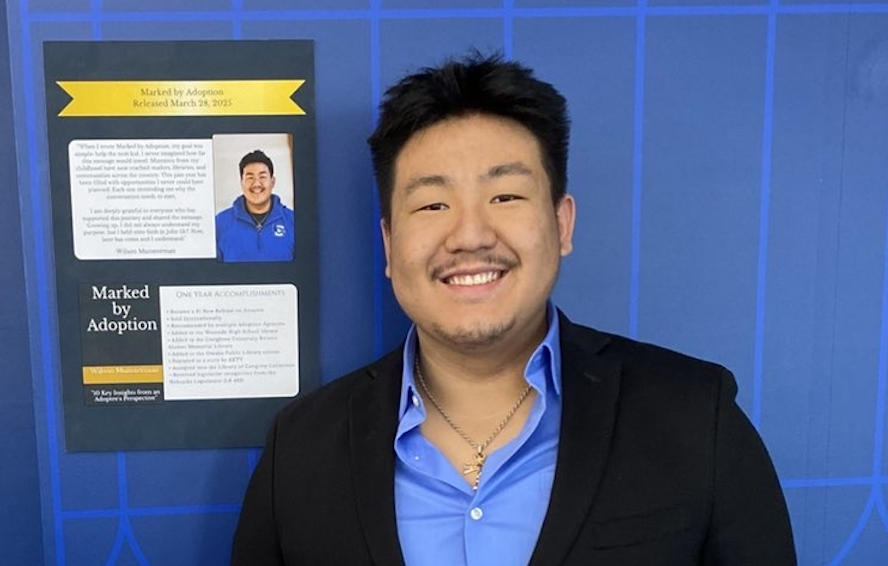
S13, Ep. 3: Wilson
Wilson Munsterman is a 20-year-old author and adoptee who uses his experiences to bring greater attention to the complexity of adoption and the adoptee perspective. He is the author of Marked by Adoption: 10 Key Insights from an Adoptee’s Perspective, an Amazon #1 New Release that has reached readers internationally and been accepted into the Library of Congress. His advocacy has been recognized by the Nebraska Legislature through Legislative Resolution 483, along with letters of recognition from Nebraska Governor Jim Pillen and State Senator Rita Sanders. His story has also been featured across television, radio, and podcasts.
Adopted from China as an infant, Wilson believes adoption is not a one-size-fits-all experience. At 17, he testified before the Nebraska Legislature on adoption and continues to support the adoption community through writing, advocacy, and mentorship with younger adoptees.
Rather than defining adoption as entirely positive or negative, Wilson encourages space for the different experiences and emotions that come with it. At the center of his work is a larger question: even when we cannot control every part of our story, can we still build meaningful lives? Wilson encourages others to acknowledge their past, focus on what they can control, and recognize their ability to shape what comes next. Wilson's Website
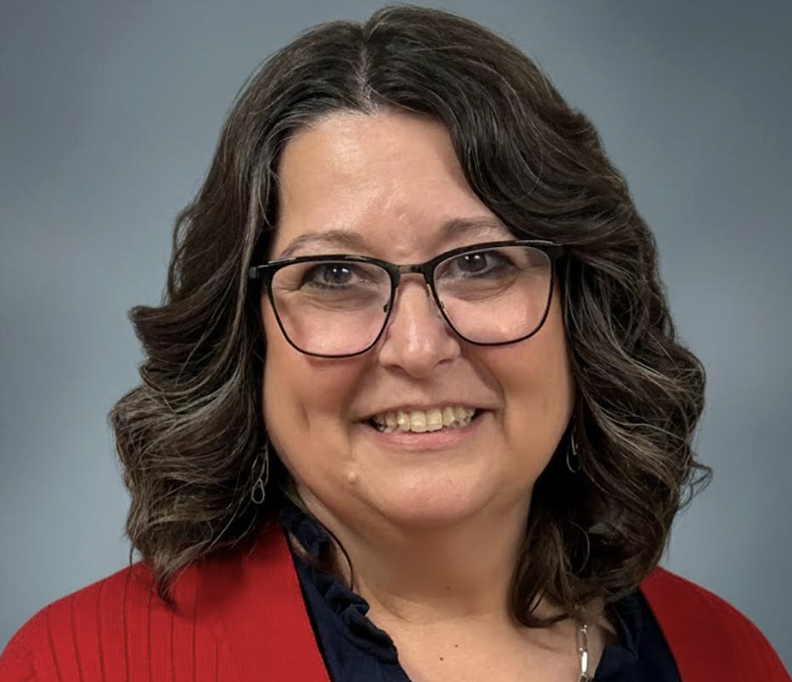
S13, Ep. 2: Candi
Born in the Baby Scoop Era in 1969, Candi was adopted at five days old in a closed adoption. While loved by her adoptive family, adoption was rarely discussed beyond the narrative of being "chosen." She grew up with two older brothers who were biological to her parents, and a sister who was adopted 18 months after her.
When her adoptive mother passed away from cancer during Candi's junior year of high school, the profound grief overshadowed and masked the underlying trauma of her relinquishment. After several early search attempts, a 2017 DNA test finally helped her connect with her biological family, though in-person meetings were delayed for several years. Today, she cherishes the meaningful relationships she is building with her biological relatives and their families.
It was only two years ago that Candi finally learned the language to express how adoption has impacted her life. Discovering that there wasn’t something “wrong” with her but instead she was having normal reactions to what happened to her — was incredibly freeing. Since that breakthrough, Candi has immersed herself in adoptee-centered healing, education, and rights advocacy. Founding an in-person adoptee peer group and participating in community events have become the most transformative parts of her ongoing journey.
Professionally, Candi has worn many hats, working in various positions across different businesses throughout her career, although her favorite title is mom to her three children.
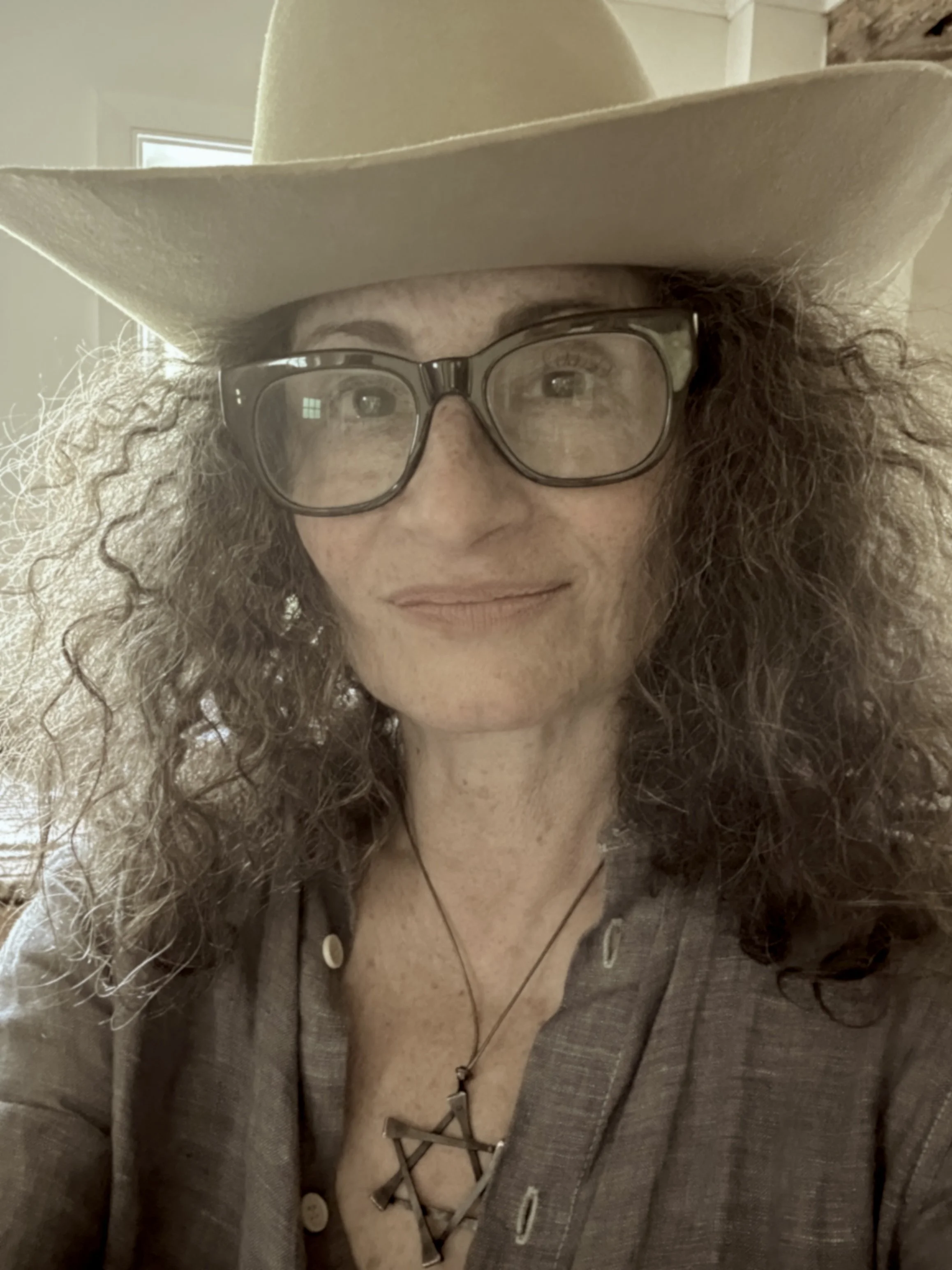
S13, Ep. 1: Samantha
Samantha Verrone is an interdisciplinary artist. Exploration of how time is spent, what holds our attention and a slow, mindful method using plant and mineral dyestuffs, hand stitchwork and foraged materials form the taproot of her process.
Sam is a baby scoop era adoptee from New York City, raised in Northern Westchester, NY along with her brother, Dave (S11, Ep. 14). After reunion, it took another 2 decades for the FOG to lift. As Sam discovered, the closed adoption system is built upon a foundation of shame, secrecy, identity erasure and forced gratitude. It takes time, determination, resilience and connection with other adoptees to dismantle.
The experience of coming out of the FOG has illuminated how deeply relinquishment and adoption have affected Sam’s life. Her lifelong fascination with found objects and materials marked by time and imperfection reflects an ongoing exploration of identity, belonging, loss, fracturing and connection. She works with foraged fragments without erasing histories, instead blending, mending, rearranging, deconstructing and reconstructing, transforming them into something new, collaborating with the past. Her work considers what we inherit, what we claim and let go and centers integration.
Through caring for her adoptive mother with dementia, Sam developed a method of supporting people experiencing cognitive decline. This work has deepened her understanding of care as a creative, relational practice—one that honors identity and preserves the dignity of the individual. Again, integration is the nexus. Care, craft, and culture are intertwined. Art is powerful healing.
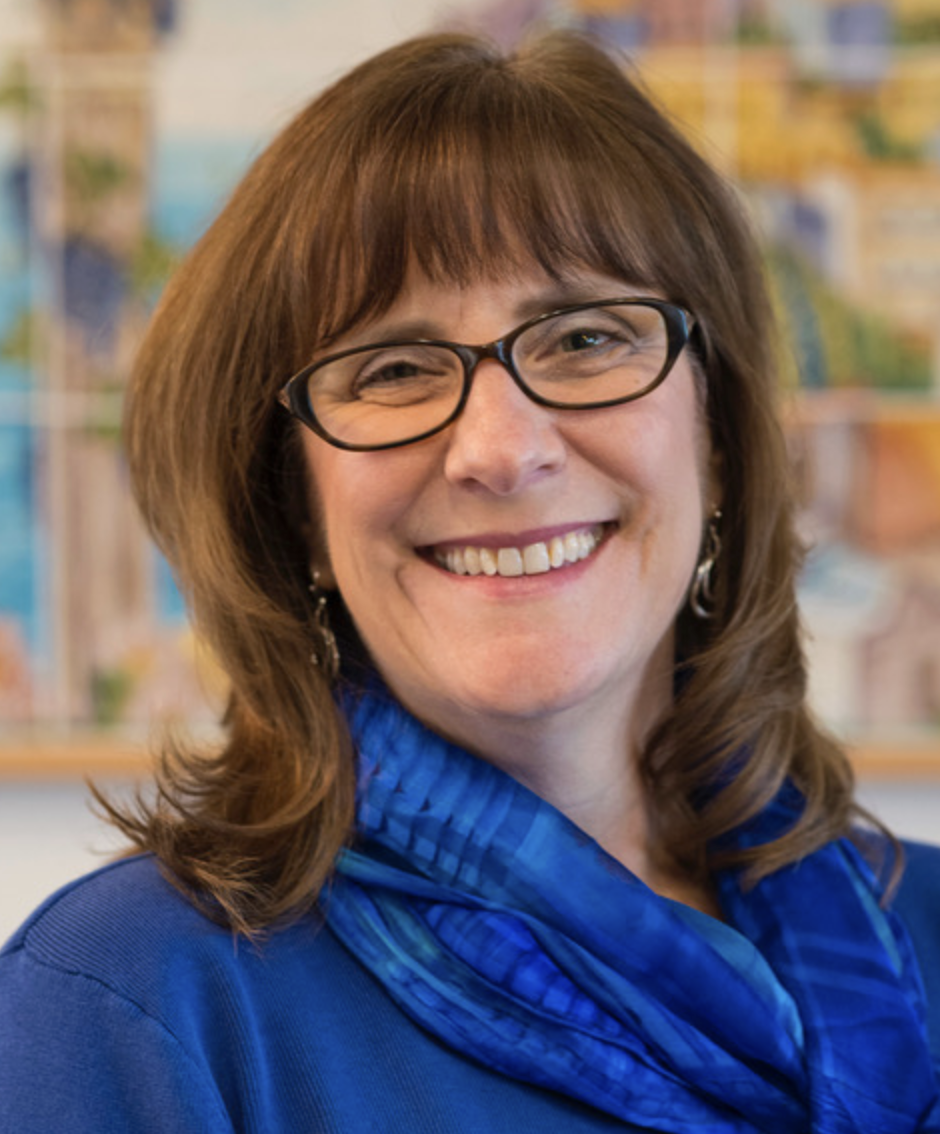
S12, Finale: Jean
Jean Kelly Widner wrote The Adoption Paradox: Putting Adoption into Perspective, a powerful exploration of the complex realities of adoption. Born in 1965 and adopted at birth in Washington State, Jean lives the paradox she writes about-experiencing both love and loss, belonging and separation. In her book, she shares stories from all sides of the adoption triad: adoptees, birth parents, and adoptive families, alongside insights from mental health experts.
Jean brings clarity and compassion to a subject often wrapped in silence and misconception. With a background as a marketing consultant and joint venture affiliate marketing expert, she and her husband have built and sold two successful e-commerce companies. She also owns a local news and storytelling blog in Boulder City, Nevada, where her love of writing continues to grow.
Jean lives in Southern Nevada with her husband and two dogs, and often escapes the desert heat in their camper van, where they work remotely and explore new places. Through her writing, she invites readers to see adoption not as a simple narrative of rescue or loss-but as a layered, human experience that deserves honesty, empathy, and ethical reflection.
S12, Ep. 28: Pushpa
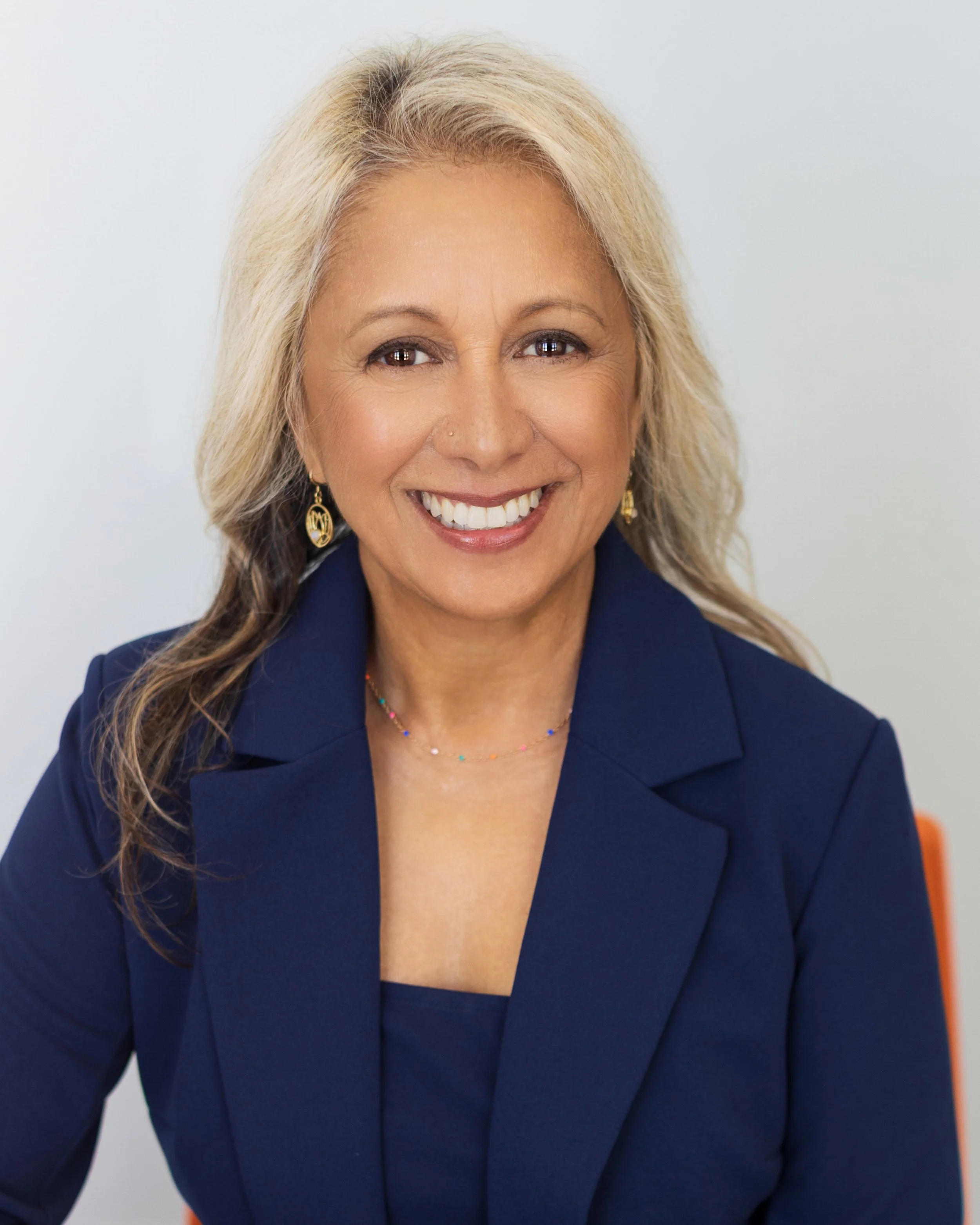
Pushpa Devi is an author and creative director whose work explores identity, belonging, courage, and the meaning of home. Born in India, she was adopted at age six and traveled from Calcutta to rural America in 1968 to join a family she had never met. English was her fourth language, and storytelling would later become her way of giving voice to the memories and emotions of that life-changing journey.
Pushpa first shared her story in her memoir, The Lucky Lotus. She later turned to children’s literature, transforming her childhood memories into the Blue Bear Series. Beginning with Journey Home, the series follows a young girl and her powder-blue teddy bear as they navigate uncertainty, change, and new beginnings. Other titles include My New World and What the Ocean Brought Me.
S12, Ep. 27: Janice
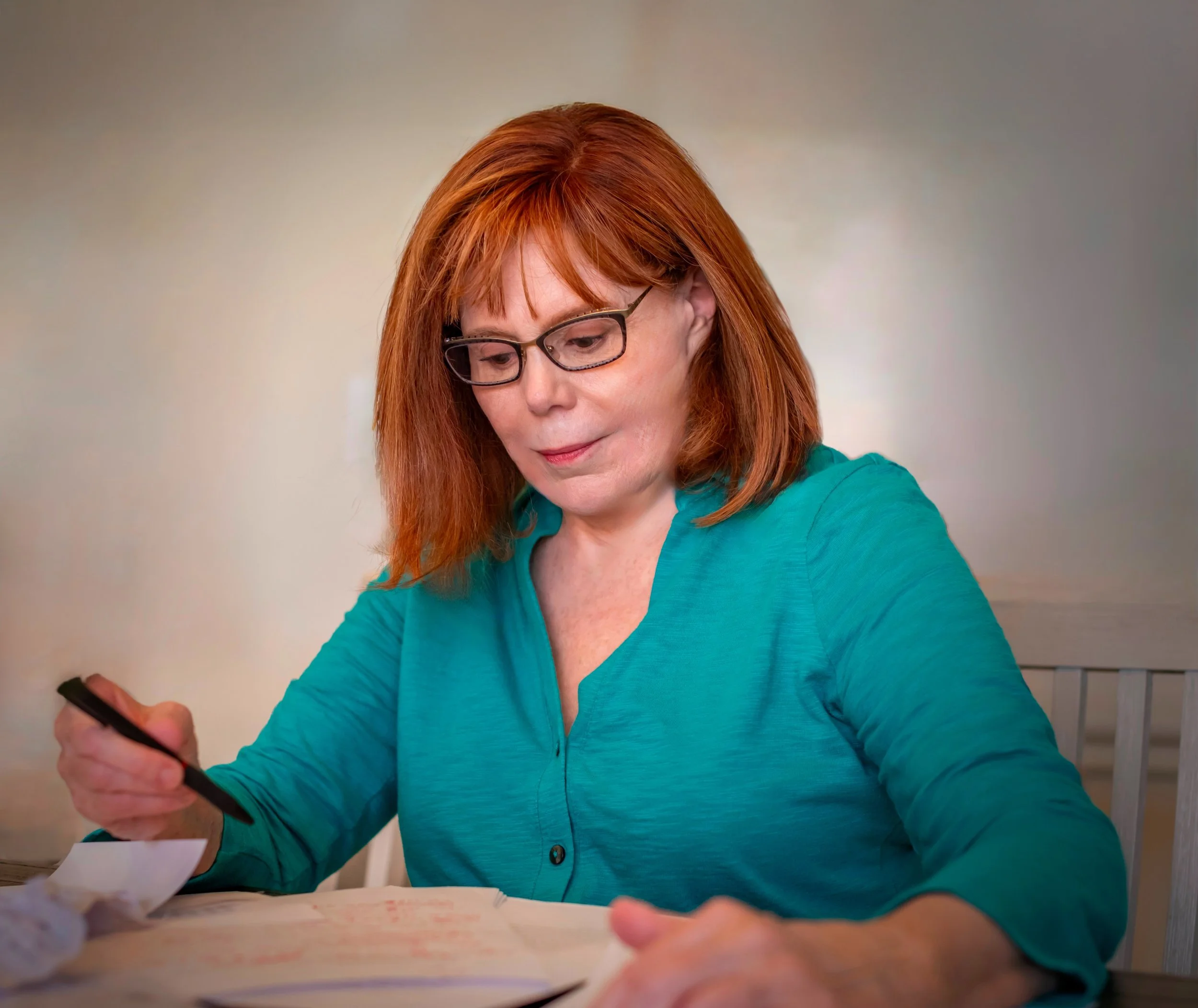
Janice Jones was adopted in 1947 at age four-and-a-half months by charismatic doctor and surgeon, Ralph Beare and his socialite wife, Lou, of Celina, Ohio. Jones grew up as a lonely, only, privileged child who found herself an outlier in her family and at school. While her adoption was no secret, discussing it was taboo. To be curious was to be ungrateful. When she was often reminded by those who admired her parents that she was a lucky girl to be adopted by such wonderful parents, she could only smile while thinking, You don’t know what it is like to live with them.
As an adult, Jones has had a long career as a freelance writer and editor. She has also been a dog-obedience instructor, children’s book buyer for a large, independent bookstore, and inventor of jigsaw puzzles that teach reading skills to children. The two things she values most in life are truth and connection to others. She considers the world at large to be her big, human family. Dr. Beare’s Daughter: Growing Up Adopted, Adored, and Afraid is her fourth published book.
S12, Ep. 26: Bryan
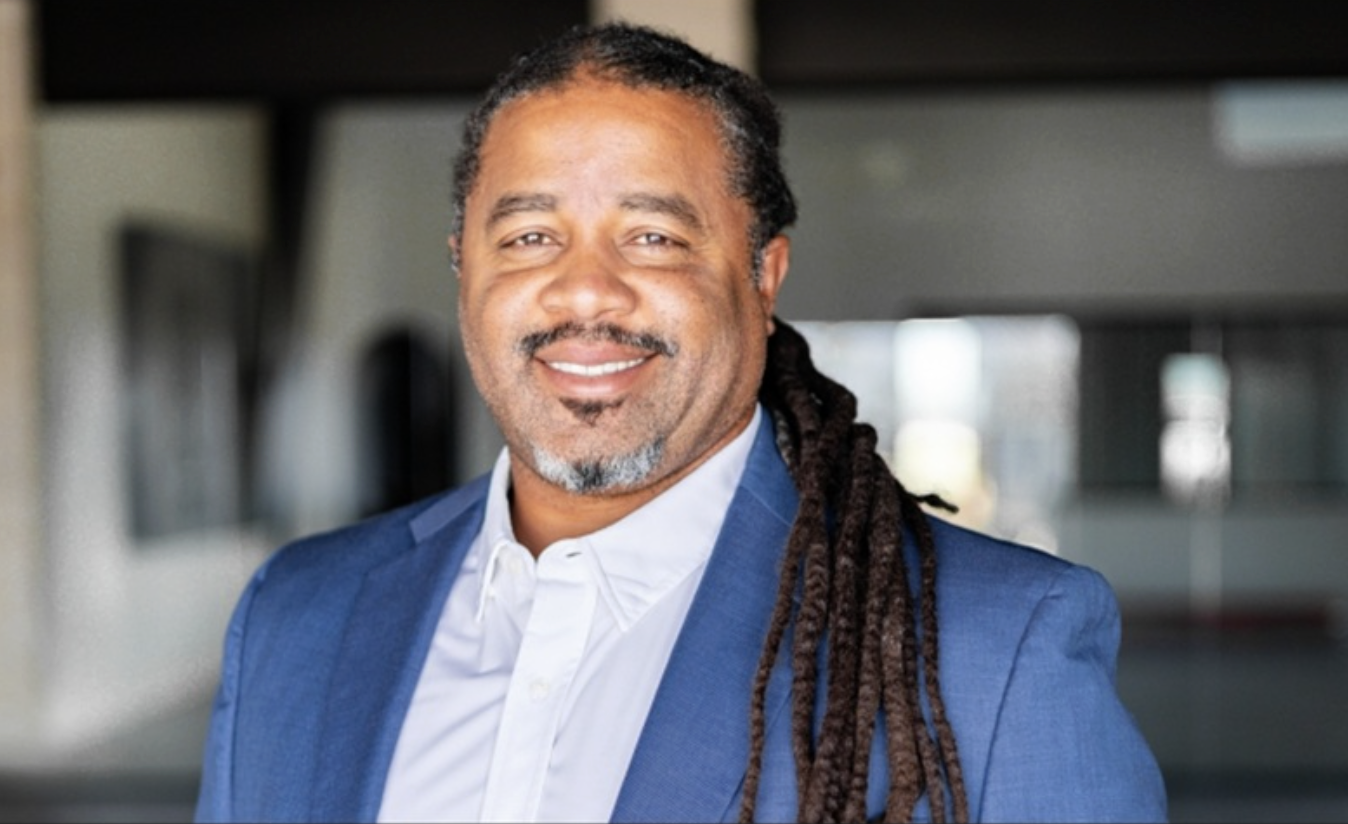
Bryan Post is a leading expert in child behavior, adoption trauma, and love-based parenting. A former foster child himself, Bryan has dedicated over two decades to helping families heal through connection, compassion, and regulation. He is the founder of Fear to Love, LLC, Bondify.ai, the Post Institute for Family-Centered Therapy, and the nonprofit Leaf Wraparound. His pioneering “Fear to Love Method” and the “Stress Model” empower parents to respond to challenging behaviors with understanding rather than fear or punishment.
Bryan’s approach blends neuroscience with timeless spiritual principles, particularly the teachings of Jesus, to address trauma and attachment disruptions in children. He has authored several influential books, including From Fear to Love, The Great Behavior Breakdown, and Parenting Softly, and co-authored the bestseller Beyond Consequences, Logic, and Control.
Through media appearances, live seminars, online trainings, and digital platforms, Bryan has impacted thousands of adoptive, foster, and biological families worldwide. His AI-powered parenting app, Bondify.ai, offers real-time, trauma-informed support, making expert guidance accessible to parents everywhere. Bryan’s central message is simple yet transformative: all behavior is communication, and true healing begins with love. Learn more at www.feartolove.com and www.bondify.ai.